This affects recovery, muscle growth, and adaptation to exercise, especially after resistance training and high intensity interval training (3). Moderate alcohol consumption reduces the rate of muscle protein synthesis (MPS) following strenuous exercise (3). Blood flow is essential for oxygen and nutrients to reach people’s muscles and organs. If you think you might have a problem with alcohol (learn about the symptoms of alcohol use disorder and the three-step treatment), call your health care provider for help.

Bringing Them Back: Key Considerations as Employers Bring Employees Back Into the Office
- Professional treatment programs and support groups can provide the necessary assistance for those struggling with after-work drinking turning into dependence and addiction.
- This is thought to be due to coffee’s ability to preserve the function of the beta cells in your pancreas, which are responsible for producing insulin to regulate blood sugar levels (7).
- The consumption of alcohol, even in moderate amounts, is linked to an array of health concerns.
- Moreover, alcohol’s interference with the endocrine and pulmonary systems can lead to disorders that may remain undetected until aggravated by other health issues.
- Notably, individuals with a family history of alcoholism should exercise increased caution.
If your home was built before 1978, it is more likely to have lead-based paint. In 1978, the federal government banned consumer uses of lead-based paint, but some states banned it even earlier. Increased water intake appears to decrease the risk of kidney stone formation. There’s limited evidence that water intake can help prevent recurrence in people who have previously gotten kidney stones (22, 23).

How long to wait to exercise after drinking alcohol?
- For instance, one study found that drinking more than two cups of coffee per day was linked to lower rates of liver scarring and liver cancer in people with liver disease (20).
- However, even this necessary intervention will inevitably result in lost time and productivity for the company and added work for coworkers.
- “We believe that recovery means empowerment, and we support each other as partners walking the path together.
- A study suggested that one in three workers view after-work drinks as good for team bonding, with these social gatherings averaging 1.8 hours.
- Our writers and reviewers are experienced professionals in medicine, addiction treatment, and healthcare.
One letter writer even worried about being too uptight after a higher-up cracked a beer during a job interview. Drinking with colleagues and bosses that is a familiar part of workplace culture. As many of us return to offices, or contemplate returning, we’re reassessing workplace norms and our needs as both employees and people. Excessive after-work drinking can lead to diminished workplace productivity and safety standards. The impact on an individual’s professional life can be severe, with potential job loss due to impaired performance or attendance issues.
Yes, After-Work Drinking Is a Serious Workplace Issue
Studies have shown that alcohol misuse can interfere with depression treatment, including the efficacy of antidepressants. Studies have explored whether recovery experiences, such as mastery, relaxation, and psychological detachment from work during nonwork time, can serve as protective factors against work stress-related drinking. The findings suggest risks of drinking after work that engaging in activities that allow for mental and physical recovery from work strain can reduce the likelihood of alcohol consumption as a stress response. There are various types of professional help available, from residential treatment programs with multidisciplinary teams to behavioral treatments such as cognitive-behavioral therapy (CBT).
Additionally, nearly 15 percent of healthcare professionals struggle with alcohol abuse. However, over time, it impairs brain function and can reduce the size of the hippocampus, an area crucial for memory and learning. This brain shrinkage correlates with the amount of alcohol consumed, with even moderate drinkers at risk. Withdrawal symptoms, such as anxiety and craving for more alcohol, can exacerbate mental health issues if alcohol is used as a coping mechanism instead of seeking professional help. Furthermore, chronic after-work drinking might lead to absenteeism, with employees taking time off due to hangovers or alcohol-related illnesses. Long-term, this behavior can affect an individual’s reputation, reliability, and opportunities for career advancement.
- This brain shrinkage correlates with the amount of alcohol consumed, with even moderate drinkers at risk.
- The goal is to build a healthier relationship with alcohol by finding pleasure in alternative practices.
- No one should assume the information provided on Addiction Resource as authoritative and should always defer to the advice and care provided by a medical doctor.
- Mutual-support groups teach you tactics to help you overcome your compulsion to drink alcohol.
Regular after-work drinking poses several significant physical health risks, and it is crucial for individuals to be aware of the potential harm that can arise from such habits. Excessive alcohol consumption has been linked to a variety of health issues, including liver disease, heart problems, and an increased risk of certain types of cancer. The World Health Organization has emphasized that no level of alcohol consumption is considered safe, as alcohol is a toxic substance classified as a Group 1 carcinogen, alongside asbestos and tobacco. Research indicates that even moderate drinking can lead to an irregular heartbeat and heightened blood pressure, both of which are risk factors for more severe cardiovascular diseases. Long-term effects of regular after-work drinking may include the development of hypertension, cardiomyopathy, and coronary artery disease. These conditions can lead to heart attacks and strokes, which are life-threatening events with long-term health implications.
Too Much Tech: How Cognitive Overload Harms Employee Engagement
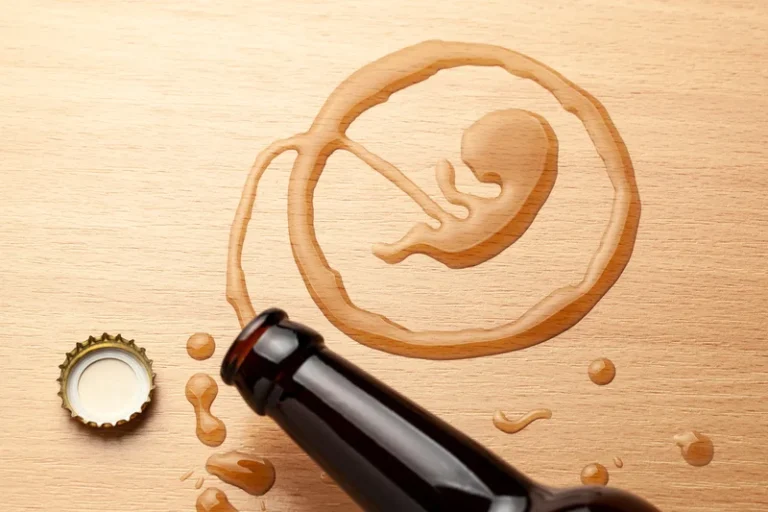
However, drinking after work can have hidden dangers, regardless of your profession. In honor of Labor Day, we’ll be exploring the dangers of drinking after work. According to the study, most workers spend about two hours drinking after work, which can extend their day to 11 hours. Alcohol is the most widely misused substance, and frequent drinking can lead to dependence or addiction.

We strive to create content that is clear, concise, and easy to understand. Surely, work alcoholics create a bad image for the company, as they are likely to treat clients and co-workers inappropriately. They also are much prone to be lazy, sleepy, performing badly, and being less productive. Regular after-work drinking, often seen as a way to unwind, holds significant psychological implications for individuals. It’s important to note that stress management is a skill that requires practice.
Considerations for a Better Workplace Culture

Show Biz Videos